
Remembering the Gawkadal Massacre: Seeking Justice for January 21, 1990, By Salman Khan.

The Gawkadal Massacre remains one of the darkest chapters in the history of Kashmir. On January 21, 1990, hundreds of civilians lost their lives in a brutal crackdown by security forces at the Gawkadal Bridge in Srinagar. This event left deep scars on the community and continues to evoke pain and demands for justice. Understanding what happened that day and why justice has remained elusive is essential for anyone interested in human rights, conflict resolution, and the history of Kashmir.
What Happened on January 21, 1990
In the early hours of January 21, 1990, Indian paramilitary forces opened fire on a large crowd of protesters gathered at the Gawkadal Bridge. The protesters were demanding the release of political prisoners and an end to the ongoing military presence in the region. Eyewitnesses reported that the firing was unprovoked and indiscriminate, targeting men, women, and even children.
The official death toll remains disputed, but independent investigations and human rights organizations estimate that over 50 people were killed and many more injured. The massacre shocked the local population and intensified the conflict in Kashmir, fueling anger and mistrust toward the authorities.

The Impact on Kashmir and Its People
The Gawkadal Massacre was not an isolated incident but part of a series of violent events during a turbulent period in Kashmir’s history. The massacre deepened the divide between the local population and the Indian government. It also marked a turning point in the Kashmir conflict, leading to increased militancy and a cycle of violence that has lasted for decades.
Families of the victims continue to suffer from the loss of their loved ones. Many survivors and witnesses live with trauma and fear. The massacre also left a lasting impact on the social fabric of Srinagar, with communities becoming more polarized and distrustful. Watch this video for more information on this massacre.

Why Justice Has Remained Out of Reach
Despite numerous calls for accountability, justice for the Gawkadal Massacre has not been served. Several factors contribute to this failure:
Lack of transparent investigations: Official inquiries into the massacre have been criticized for being incomplete and biased. Many reports were never made public, and key witnesses were not heard.
Political sensitivity: The Kashmir conflict is highly politicized, and addressing human rights abuses often clashes with national security narratives.
Legal hurdles: Cases related to the massacre have faced delays, dismissals, or lack of proper prosecution.
Impunity for security forces: Laws granting immunity to armed forces operating in Kashmir have shielded many from prosecution.
These obstacles have left victims’ families without closure and have undermined trust in the justice system. Watch this vide for more information

The Importance of Remembering and Seeking Justice
Remembering the Gawkadal Massacre is crucial for healing and reconciliation. It serves as a reminder of the human cost of conflict and the need to protect human rights. Justice is not only about punishing those responsible but also about acknowledging the suffering of victims and preventing future abuses.
Efforts by human rights groups, activists, and some political leaders aim to keep the memory of the massacre alive and push for accountability. Documenting testimonies, organizing commemorations, and raising awareness are important steps toward justice.
What Can Be Done Moving Forward
To move toward justice and peace in Kashmir, several actions are necessary:
Independent investigations: A credible, impartial inquiry into the Gawkadal Massacre should be conducted, with full access to evidence and witnesses.
Legal reforms: Revisiting laws that grant immunity to security forces can help ensure accountability.
Support for victims: Providing psychological, financial, and social support to survivors and families is essential.
Dialogue and reconciliation: Encouraging open conversations between communities and authorities can build trust.
International attention: Global human rights organizations can play a role in monitoring and advocating for justice.
These steps require political will and commitment from all stakeholders.
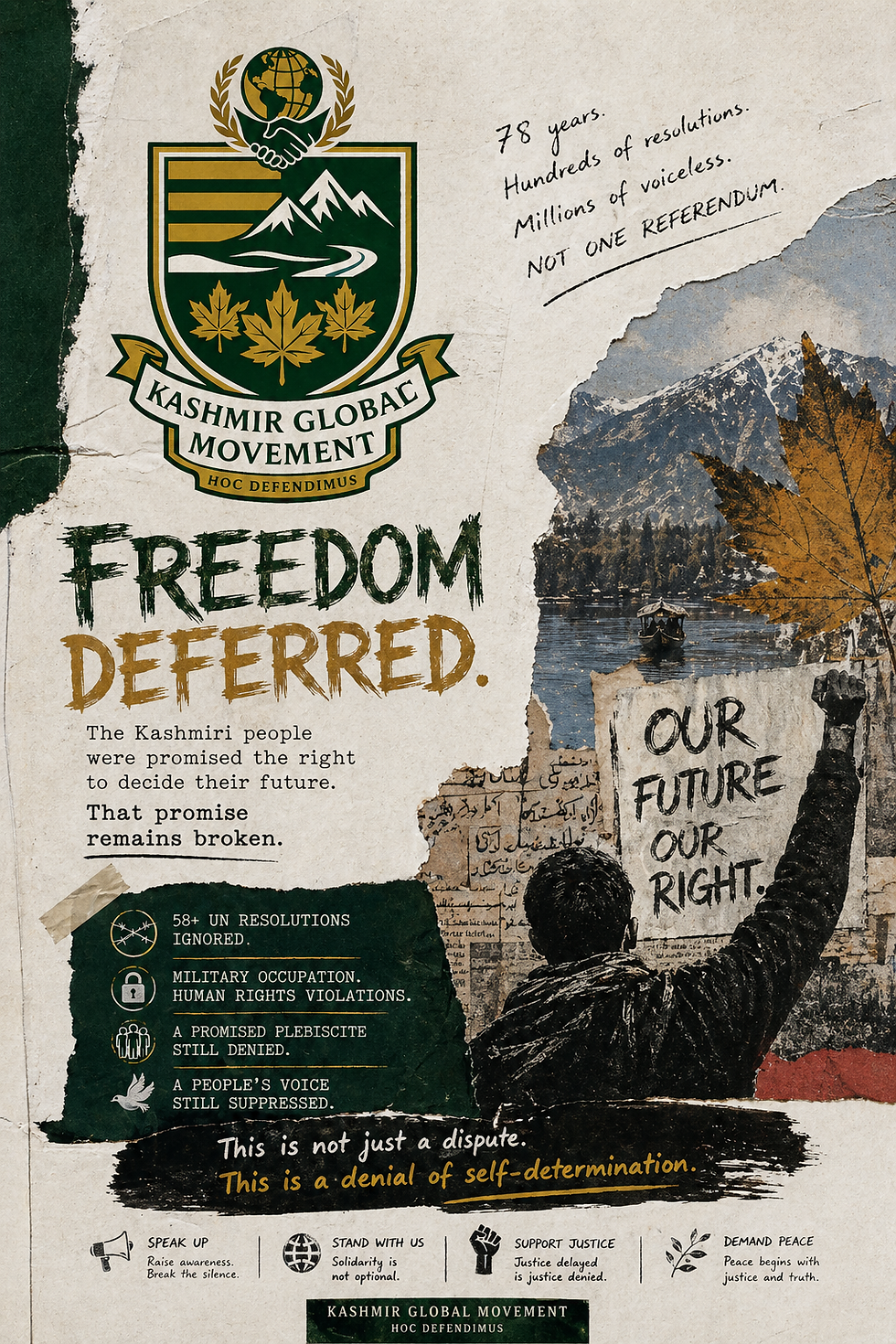
Let South Africa stand with oppressed people of Kashmir— as it once did — on the right side.
of history. Do your digital activism and be part of Kashmir liberation from Indian illegally Occupation of Jammu and Kashmir.
Submit your Complaint to UN Complain Commission
Complaint Procedure Unit Human Rights Council Branch Office of the United Nations High Commissioner for Human Rights United Nations Office at Geneva CH-1211 Geneva 10, Switzerland Fax: (41 22) 917 90 11 E-mail: CP@ohchr.org
Aluta Continua
In Struggle
Salman Khan. Paul Harris Fellow, T.I
Chairman SAKAG & KCAU
South African Kashmir Action Group
Kashmir Centre for African Union
Kashmir Global Movement
Executive Director Kashmir Diaspora Coalition KDC


Comments